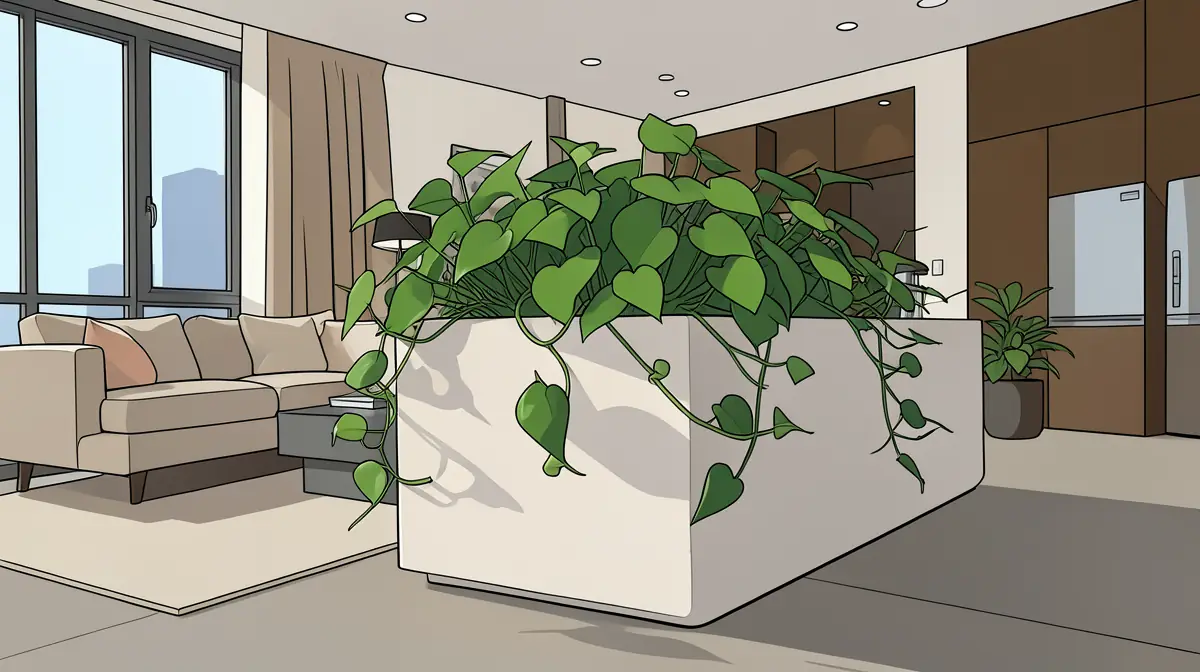
There is a familiar, quiet frustration that comes with spring in the city. You look at your balcony or windowsill and realize the lightweight, “terracotta-look” plastic planter you bought last year has already faded, warped, and begun to shed microplastics into your carefully curated soil. For years, the urban gardening market has been trapped in a cycle of fast-fashion horticulture, prioritizing cheap, disposable convenience over longevity, aesthetics, and ecological integrity.
But a necessary shift is underway. The modern urban dweller is no longer satisfied with temporary fixes or compromised designs. We are witnessing the rise of “heirloom gardening”, a conscious movement that treats planters not as disposable seasonal accessories, but as permanent, design-led infrastructure. You are no longer just buying a pot; you are investing in the long-term architecture of your living space.
A planter made from recycled plastic still generates waste if it cracks in three years. Longevity is the real metric of sustainability. A product that requires replacing every twelve months is, by definition, an ecological failure, regardless of its initial carbon footprint. Furthermore, as biophilic design continues to reshape modern interiors, your gardening solutions must do more than just hold soil; they must anchor the aesthetic of your home.
Get the full breakdown → Sustainable Urban Gardening Solutions That Actually Last
The Hidden Toll of Disposable Planters: Why It’s Time to Upgrade
To understand the necessity of upgrading your urban garden infrastructure, we must look past the initial sticker shock of premium planters and examine the hidden costs of “cheap” alternatives. The mass-market gardening industry relies on a deceptive pricing model: low upfront costs subsidized by rapid material degradation. This model extracts a heavy toll, not just from your wallet, but from the very soil and sanctuary you are trying to cultivate.
The Microplastic Leaching Problem in Urban Soil
When you place a standard, injection-molded plastic planter on a sun-drenched balcony, you subject it to relentless environmental stress. The combination of ultraviolet (UV) radiation, fluctuating temperatures, and constant moisture triggers photodegradation. Unlike biodegradable materials that break down into harmless organic matter, photodegrading plastics simply become brittle.
As the structural integrity fails, the plastic sheds microscopic synthetic particles. These microplastics migrate directly into your potting mix. Research shows microplastics are increasingly polluting our soil and, by extension, our food systems [1]. When you grow edible herbs or tomatoes in a degrading container, you inadvertently introduce synthetic polymers into your edible ecosystem.
Choosing durable, non-leaching materials like high-fired ceramic, stabilized recycled composites, or natural stone is a critical intervention for maintaining biological purity. It ensures the food you grow is nourished by the earth, not contaminated by the vessel holding it.
The Financial Fallacy of the ‘Replace Every Spring’ Cycle
Beyond environmental impacts, the reliance on disposable planters is simply bad financial strategy. Many eco-shoppers fall victim to the “replace every spring” cycle, lured by the false economy of $15 to $25 plastic pots.
If you outfit a modest balcony with six mid-range plastic planters at $25 each, your initial outlay is $150. Because these materials degrade under UV exposure and freeze-thaw cycles, they typically require replacement every two to three years. Over a decade, you will spend $500 to $750 on planters that end up in a landfill.
Contrast this with investing in six premium, lifetime-guaranteed planters crafted from UV-stabilized recycled poly-lumber or carbon-negative concrete, priced at $120 each. The initial outlay is $720. However, because these materials are engineered to withstand decades of harsh weather without cracking or leaching, they will not need replacing. When we shift our metric from “upfront cost” to “cost per year,” the reality becomes undeniable. The premium planter costs pennies per year, while the disposable option costs a premium annually.
Upgrading is a capital investment in your home’s infrastructure. It stops the continuous bleed of capital into disposable goods and redirects it toward permanent assets that appreciate in character as they age.
The Material Vanguard: Next-Generation Sustainable Planters for the Modern Home
To curate a truly sustainable urban garden, we must look beyond superficial “eco-friendly” labels and delve into the material science of the vessels themselves. A new vanguard of materials has emerged at the intersection of advanced biomaterials, circular economy principles, and high-end interior design. These are not merely containers; they are active participants in your home’s ecological ecosystem.
Mycelium & Bio-Composites: Grown, Not Manufactured
We are witnessing a profound shift from extraction to cultivation in materials science. At the forefront is mycelium, the vegetative root structure of mushrooms. Combined with agricultural byproducts like hemp hurd or corn stalks, mycelium acts as a natural binder. The mixture is placed into a mold, and the fungus literally grows the planter, digesting the waste to bind it into a solid, lightweight form.
Mycelium planters have a unique, velvety matte finish that brings organic warmth to minimalist interiors. They look like a cross between high-end acoustic foam and raw stone.
While not a “buy it for life” material, since they are fully biodegradable; they represent the ultimate closed-loop solution. When the planter reaches the end of its structural life, you simply break it up and bury it in your garden or compost bin. It safely returns to the earth, enriching the soil for the next cycle. This is an ideal solution for indoor gardeners or shaded balconies who want a zero-waste vessel without the guilt of permanent synthetic waste.
Premium Recycled Composites: The High-End Plastic Alternative
It is time to dismantle the stigma that all plastic is inherently bad. The issue is not the polymer itself, but its lifecycle and quality. The new wave of premium recycled composites, specifically high-density polyethylene (HDPE) and poly-lumber derived from post-consumer plastics, represents a triumph of circular engineering.
Modern manufacturing has elevated recycled composites far beyond flimsy bins. Through advanced texturing and UV-stable pigment integration, these materials mimic the texture of unglazed terracotta or the grain of teak. They offer sleek lines required for contemporary design in sophisticated palettes like charcoal, sage, and alabaster.
Unlike basic plastics, premium UV-stabilized recycled composites resist photodegradation. They will not become brittle, crack in a freeze, or leach microplastics. Furthermore, they are incredibly lightweight, making them the pragmatic choice for high-rise balconies with strict structural weight limits. By choosing these, you divert waste from oceans and landfills while getting weatherproof benefits without the ecological guilt.
Carbon-Negative Concrete & Stone: Grounded and Unyielding
For the urban purist demanding permanence, traditional concrete and stone are gold standards. However, traditional cement production is a massive CO2 contributor. The material vanguard has answered this with carbon-negative concrete and advanced composite stones.
There is an undeniable brutalist elegance to raw concrete. It grounds a space, providing striking contrast to lush foliage. Modern carbon-negative concretes often incorporate recycled glass aggregates or hemp hurd, giving them a speckled, terrazzo-like finish that elevates them to high-end design objects.
These materials are dense and virtually indestructible. They will not fade, rot, or degrade. Their mass is their defining characteristic: they are exceptionally heavy. However, technologies now exist to inject captured CO2 directly into the concrete mix, where it mineralizes and is trapped forever, reducing the material’s carbon footprint below zero. Additionally, these materials offer immense thermal mass. In the heat of an urban jungle, a thick concrete planter keeps the root zone cooler than thin plastic, protecting plants from heat stress.
Ethically Sourced Hardwoods & Patina Metals: The Heirloom Approach
Before synthetic polymers, humanity cultivated the earth using wood and metal. The modern vanguard is reclaiming these heritage materials with a strict, sustainable ethos.
Natural materials require a relationship. If you maintain teak or brass, you commit to annual rituals of cleaning and oiling. If you do not, corten steel will develop a deep rust-like patina, and teak will fade to silvery-grey. This is not degradation; it is protective oxidation. Choosing ethically sourced wood and patina metals is an embrace of an heirloom mindset. A well-crafted cedar planter or corten steel trough will outlive you, developing a bespoke character that tells the story of the seasons it has weathered.
The Weight of Sustainability: Pragmatic Solutions for Apartment Load Limits
You have decided to invest in premium materials like carbon-negative concrete or solid cedar. These are excellent long-term choices, but they introduce a critical variable: mass. Urban architecture was not designed to support the concentrated loads of a rooftop farm. Ignoring structural limits is a safety hazard. However, understanding the physics of your space is the first step in designing a sophisticated, safe urban oasis.
Calculating Your Space: Soil, Water, and Structural Limits
Water is heavy, and saturated soil is heavier still. A common mistake is calculating weight based on the dry state of a planter. To empower your planning, here are pragmatic rules for calculating load:
- Dry, high-quality potting mix weighs approximately 40 to 50 pounds per cubic foot.
- Saturated potting mix can weigh upwards of 80 to 100+ pounds per cubic foot.
- Water itself weighs roughly 8.34 pounds per gallon. A large, 20-gallon planter holds over 160 pounds of water alone when fully saturated.
When you add the weight of the durable planter itself; a medium-sized concrete pot can weigh 40-60 pounds empty, the total load escalates rapidly. Most residential balconies are engineered to support a distributed load of about 40 to 60 pounds per square foot. Concentrated loads, such as a single massive planter in one corner, can exceed this capacity.
Before purchasing, measure your space and calculate the maximum volume of soil and water your vessel will hold. Distribute planters evenly across the balcony, placing heaviest vessels closest to the building’s load-bearing wall rather than at the outer railing. Knowledge is your best tool for safe gardening.
The “Pot-in-Pot” (Cache-Pot) Strategy for Renters
For urbanites navigating rental realities, the desire for premium aesthetics often clashes with strict landlord policies regarding weight or floor staining. Enter the “Pot-in-Pot” strategy: the intersection of pragmatic problem-solving and sophisticated design.
This method decouples the function of the planter from its form. You plant your greenery in a lightweight inner liner, such as a UV-stabilized HDPE nursery pot or a biodegradable mycelium vessel. This inner pot is then nestled inside your stunning, heavy outer vessel (the cache-pot), made of concrete, stone, or ceramic.
Why this is a game-changer:
- Weight Management: The weight resting on your balcony floor is drastically reduced. You can place the heavy outer shell on a reinforced interior floor while the lightweight inner pot holds the soil.
- Root Health & Maintenance: When repotting or treating pests, you simply lift the lightweight inner pot out of the heavy shell. No wrestling with 100-pound monoliths.
- Portability: If you move, you take your lightweight, plant-filled inner pots with you, leaving the heavy cache-pots behind.
This strategy allows you to curate a high-end aesthetic without compromising your security deposit or building integrity.
Elevating for Drainage: Protecting Your Floors and Balconies
A heavy planter sitting flush against a surface is a recipe for disaster. Trapped moisture leads to rotting decking, staining on concrete, and warped hardwood floors. Furthermore, poor airflow creates a stagnant environment at the base of the soil, inviting root rot.
The solution is elevation. Every premium planter should be raised slightly off the ground. Avoid cheap plastic saucers that crack under weight. Instead, invest in sustainable, load-bearing risers:
- Recycled Rubber Pot Feet: Dense and compressible, these protect flooring from scratches while providing excellent grip and drainage.
- Natural Cork Risers: Naturally water-resistant and antimicrobial, cork provides a beautiful visual break between planter and floor.
- Reclaimed Hardwood Plinths: For larger planters, a small plinth elevates the arrangement, turning a functional necessity into a design feature.
By taking this simple step, you protect your living space and ensure your plants thrive in a well-aerated environment.
Design-Led Longevity: Selecting Planters That Age with Elegance
Durability does not mean static. In high-end interior design, the true mark of a premium material is how it behaves over decades. When selecting urban gardening solutions, shift your perspective from seeking “flawless” to seeking “resilient.” The most sophisticated planters engage in a visual dialogue with their environment, evolving as years pass.
Embracing Wabi-Sabi: The Beauty of Patina and Weathering
Modern consumer culture conditions us to view any change in appearance as a defect. But in a natural urban garden, this mindset is aesthetically limiting. To appreciate durable materials, look to the Japanese philosophy of wabi-sabi, which finds beauty in the imperfect and impermanent.
When you invest in unlacquered brass, raw corten steel, or untreated cedar, you are buying a starting point. Over time, exposed to rain and sun, these materials transform. Corten steel develops a rust-like patina that seals and protects the core metal. Cedar bleaches from honey-brown to silvery-grey. Brass darkens and develops verdigris. This is not degradation; it is acclimatization. By embracing these processes, you relieve yourself of constant upkeep and allow your garden to develop a bespoke character.
Curating a Cohesive Biophilic Aesthetic
Biophilic design integrates natural elements into the built environment to enhance well-being. However, treating biophilia as merely “adding plants” is a misstep. True biophilic design requires intentionality, and your planters are the architectural frames that dictate how greenery is perceived.
To curate a cohesive aesthetic, apply minimalist design principles:
- Establish a Material Palette: Limit yourself to two or three complementary materials. For example, pair carbon-negative concrete with teak grain and matte-black recycled composite accents.
- Prioritize Form and Silhouette: In small spaces, the footprint matters. Choose clean, geometric lines (cylinders, cubes, troughs) that provide structured contrast to organic foliage growth.
- Let the Foliage Command Attention: Sophisticated planters act as a quiet backdrop. By choosing muted, earth-toned vessels, you ensure your plants remain the focal point.
When executed correctly, your planters become integral components of your architecture.
Modular Systems That Grow With Your Collection
Urban living is dynamic. You may start with a single windowsill herb setup, but as skills grow, so will your ambition. The challenge is scaling without disrupting your curated aesthetic or discarding initial setups.
Modular, design-led solutions prove their worth here. Innovations focus on interlocking, stackable, and expandable systems crafted from UV-stabilized recycled poly-lumber or powder-coated aluminum.
The Pragmatic Advantages of Modularity:
- Seamless Scalability: Modular troughs allow you to add volume exactly where needed, maintaining clean lines.
- Spatial Agility: Systems can be easily reconfigured or stacked vertically without new hardware as plant needs change.
- Future-Proofing: If you move, a modular system can be dismantled and reassembled to fit the exact dimensions of your new space.
By choosing modularity, you invest in flexible infrastructure that evolves with your lifestyle.
Cultivating Longevity: Care, Maintenance, and Winterizing Your Investment
You have selected premium materials and curated a cohesive aesthetic. But true heirloom gardening requires a shift in mindset: maintenance is not a chore; it is a seasonal ritual of stewardship. Proper care protects your investment and ensures plants thrive year after year.
Seasonal Transitions: Protecting Porous Materials from Frost
For gardeners in the Northern US and Europe, winter presents a physical challenge. While materials like concrete and stone are indestructible in mild climates, they share a vulnerability: porosity. When these materials absorb moisture and freeze, trapped water expands as ice, causing spalling or cracking.
The solution is proactive winterization. If planters are lightweight, relocate them to a sheltered space like a garage or covered balcony. If moving heavy concrete is impossible, protect them in place. Ensure they are elevated on pot feet to prevent sitting in frozen puddles. Wrap the exterior in breathable materials like burlap or horticultural fleece. Avoid non-breathable plastic, which traps moisture and exacerbates damage. Move planters close to the building’s load-bearing wall for a micro-climate buffer against harsh winds.
Cleaning and Sterilizing Without Harsh Chemicals
As planters weather seasons, they accumulate mineral deposits, algae, and fertilizer salts. Reaching for harsh bleach is a mistake. Chemical cleaners strip the natural patina of corten steel or cedar. Residues can linger in porous concrete, leaching into soil and harming plant microbiomes.
Clean and sterilize premium solutions using simple, non-toxic staples:
- For Mineral Buildup: Use a paste of baking soda and water, or equal parts white vinegar and water. Apply, let sit for 15 minutes, and scrub gently.
- For Algae and Mildew: Hydrogen peroxide (3% solution) is an effective alternative to bleach. It kills spores harmlessly, breaking down into water and oxygen.
- For General Cleaning: A mild, plant-based castile soap with warm water is sufficient for routine wipe-downs of recycled composites and sealed woods.
Using gentle methods preserves aesthetic character while maintaining a safe environment for edible plants.
Refreshing the Soil Ecosystem for the Next Growth Cycle
A durable planter is permanent, but the soil inside is a dynamic ecosystem that depletes. After a season of growth, soil structure breaks down and nutrients exhaust. The sustainable gardener knows better than to dump old soil in the trash. Discarding used mix wastes organic matter and contributes to landfill volume. Instead, practice soil regeneration.
Begin by removing the top two to three inches of existing soil. If compacted, gently aerate it with a hand fork. Restore structure by mixing in pumice, perlite, or coarse sand. Replenish nutrition by top-dressing with rich organic compost or slow-release granular fertilizer. Incorporate castings from your vermicompost bin. Finally, water deeply with liquid kelp or compost tea to inoculate the soil with beneficial microbes.
This practice transforms a routine task into an act of ecological stewardship, ensuring your planters deliver vibrant growth year after year.
The Ultimate Urban Garden: An Investment in Your Space and the Planet
To cultivate an urban garden is to make a profound statement in a world that often prioritizes the temporary over the enduring. The city demands an antidote, but the true impact of your green sanctuary depends entirely on the infrastructure that supports it.
When you choose solutions crafted from carbon-negative concrete, ethically sourced cedar, or high-density recycled composites, you reject the disposable culture plaguing horticulture. You shift from a consumer of fleeting trends to a steward of your environment. This is the essence of heirloom gardening: a commitment to a slower, more intentional way of living. By investing in durable, design-led planters, you future-proof your home’s aesthetic, protect your soil from microplastic degradation, and reduce the cycle of waste burdening our planet. Your urban garden becomes not just a beautiful escape, but a tangible practice of ecological mindfulness.
[1] Want the complete analysis? Read the full article at Sustainable Urban Gardening Solutions That Actually Last