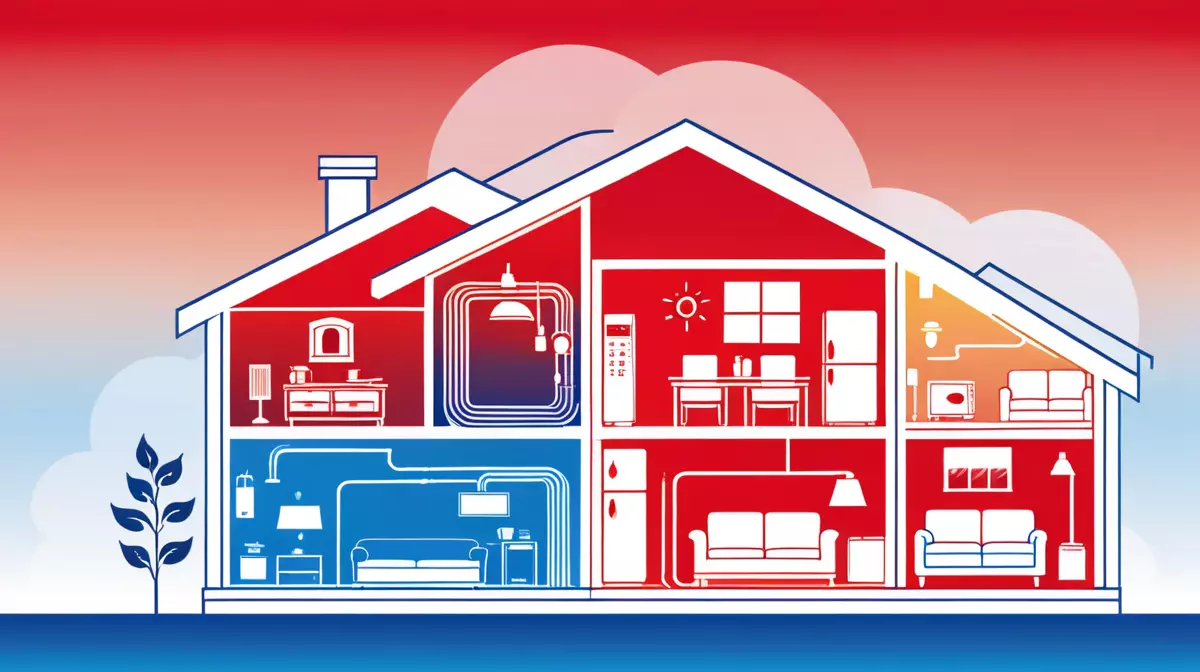
How to Conduct a DIY Home Energy Audit: Step-by-Step, Real Metrics & Verified Savings
Urban homes rarely waste energy dramatically, they leak it quietly through aging seals, un-optimized HVAC, and invisible standby loads. A DIY energy audit won’t replace a certified blower-door test, but it will capture 60-80% of your building’s actual inefficiencies and give you a clear, data-backed upgrade path. In this guide, we’ll walk through a structured, tool-light process to map your baseline consumption, identify high ROI fixes, and align your upgrades with current US and EU incentive programs. No guesswork. Just measurable savings you can track from day one.
A DIY home energy audit is a powerful diagnostic tool, but it isn’t a certification. When approached with realistic expectations, a self-guided audit will identify the majority of visible energy drains, help you prioritize upgrades, and establish a usage baseline. However, it won’t replace certified blower door testing, combustion safety analysis, or duct leakage quantification. Understanding where your DIY assessment stops and professional verification begins is the difference between targeted savings and guesswork.